Implementing a CRM system can be a game-changer for your business—but only if done right. With the right CRM implementation services, companies unlock powerful insights, boost sales, and enhance customer satisfaction. Let’s dive into how to make it work flawlessly.
What Are CRM Implementation Services?

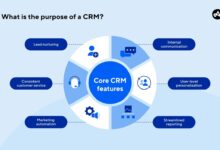
CRM implementation services refer to the professional support and technical guidance provided to organizations during the deployment and integration of a Customer Relationship Management (CRM) system. These services ensure that the CRM software aligns with business goals, workflows, and data structures. From initial planning to post-launch optimization, CRM implementation services cover every phase of the adoption lifecycle.



Definition and Core Purpose
The primary goal of CRM implementation services is to ensure a smooth transition from legacy systems or manual processes to a fully functional CRM platform. This includes configuring the software to meet specific business needs, migrating data securely, training staff, and ensuring long-term usability. According to Salesforce, effective CRM implementation can increase sales productivity by up to 34%.
- Align CRM tools with business objectives
- Minimize downtime during system transition
- Ensure data integrity and user adoption
Types of CRM Systems Supported
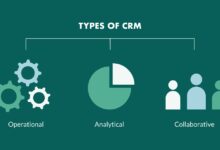
CRM implementation services are not one-size-fits-all. They vary depending on the type of CRM being deployed. The three main categories include operational CRM, analytical CRM, and collaborative CRM. Each serves a different function—from automating sales processes to analyzing customer behavior and improving communication across departments.
- Operational CRM: Streamlines sales, marketing, and service processes
- Analytical CRM: Focuses on data analysis and customer insights
- Collaborative CRM: Enhances communication between teams and customers
“A well-implemented CRM doesn’t just store data—it transforms how a company interacts with its customers.” — Gartner Research
Why CRM Implementation Services Are Essential
Many businesses attempt to deploy CRM systems in-house, only to face low adoption rates, data silos, and wasted investments. CRM implementation services bridge the gap between technology and real-world usability. They bring expertise, best practices, and structured methodologies that significantly increase the chances of success.
Reducing Risk of Project Failure
Studies show that nearly 70% of CRM projects fail due to poor planning, lack of user involvement, or inadequate training. Professional CRM implementation services mitigate these risks by following proven frameworks like Agile or Waterfall methodologies. They conduct thorough needs assessments, define clear KPIs, and establish governance models to keep the project on track.
- Conduct pre-implementation audits
- Identify potential roadblocks early
- Develop contingency plans for data migration issues
Maximizing Return on Investment (ROI)
Investing in a CRM without proper implementation is like buying a sports car and never learning to drive it. CRM implementation services help organizations extract maximum value from their software investment. For example, Zendesk reports that companies using implemented CRMs see an average ROI of $8.70 for every dollar spent.
- Customize dashboards and reports for decision-makers
- Integrate with existing tools (e.g., email, ERP, marketing automation)
- Optimize workflows to reduce manual effort
Key Phases of CRM Implementation Services
A successful CRM rollout follows a structured process. CRM implementation services typically guide clients through six critical phases: discovery, planning, configuration, data migration, testing, and go-live support. Skipping any phase can lead to inefficiencies and user frustration.
Phase 1: Discovery and Needs Assessment
This initial phase involves deep discussions with stakeholders to understand business goals, pain points, and desired outcomes. Consultants map current processes and identify gaps that the CRM should fill. This stage often includes interviews with sales, marketing, and customer service teams.
- Define key performance indicators (KPIs)
- Identify required features and integrations
- Assess technical infrastructure readiness
Phase 2: Strategic Planning and Roadmap Development
Once needs are clear, consultants create a detailed project plan. This includes timelines, resource allocation, budget estimates, and risk management strategies. A phased rollout approach is often recommended, starting with a pilot group before full deployment.
- Set milestones and deliverables
- Assign roles and responsibilities (RACI matrix)
- Establish communication protocols
Phase 3: System Configuration and Customization
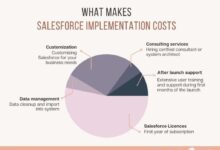
This is where the CRM is tailored to the organization’s unique requirements. CRM implementation services configure modules such as lead management, contact databases, sales pipelines, and service tickets. Custom fields, automation rules, and approval workflows are also set up.
- Design custom objects and page layouts
- Build automated workflows (e.g., lead assignment)
- Set up role-based access controls
Top CRM Platforms and Their Implementation Services
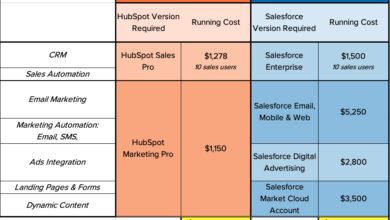
Different CRM platforms offer varying levels of complexity and customization. Choosing the right platform—and the right implementation partner—is crucial. Below are some of the most widely used CRM systems and how their implementation services differ.
Salesforce CRM Implementation Services
Salesforce dominates the CRM market with over 19% global share. Its implementation services are highly scalable, supporting everything from small businesses to enterprise-level deployments. Salesforce partners use methodologies like the Salesforce Success Framework to ensure alignment with business outcomes.
- Leverage AppExchange for third-party integrations
- Utilize Einstein AI for predictive analytics
- Support multi-cloud environments (Sales, Service, Marketing Clouds)
Microsoft Dynamics 365 CRM Implementation Services
Microsoft Dynamics 365 is ideal for organizations already using Office 365 and Azure. Its implementation services focus on seamless integration with Outlook, Teams, and Power BI. The platform excels in ERP-CRM convergence, making it popular among manufacturing and logistics firms.
- Deep integration with Microsoft ecosystem
- Strong BI and reporting capabilities
- Flexible licensing models
HubSpot CRM Implementation Services
HubSpot is known for its user-friendly interface and inbound marketing focus. Its implementation services emphasize ease of adoption, especially for SMBs. HubSpot consultants help set up marketing automation, email tracking, and deal pipelines with minimal technical overhead.
- Free CRM tier with paid upgrades
- Intuitive drag-and-drop workflow builder
- Strong content and SEO tools
Choosing the Right CRM Implementation Partner
Not all CRM implementation services are created equal. The partner you choose can make or break your project. Look for vendors with industry experience, certified professionals, and a track record of successful deployments.
Criteria for Evaluating Providers
When vetting CRM implementation services, consider the following factors:
- Certifications: Look for official credentials (e.g., Salesforce Silver/Gold Partner, Microsoft Solutions Partner)
- Industry Expertise: Some firms specialize in healthcare, finance, or retail CRM implementations
- Post-Go-Live Support: Ongoing training and troubleshooting are essential for long-term success
Red Flags to Watch For
Avoid providers who promise unrealistic timelines, lack case studies, or refuse to sign service-level agreements (SLAs). Be cautious of consultants who push unnecessary customizations that could complicate future upgrades.
- Guaranteed 2-week implementation for complex systems? Likely a red flag.
- No references or client testimonials? Proceed with caution.
- Unwillingness to document requirements? High risk of misalignment.
“The best CRM implementation partners act as strategic advisors, not just technicians.” — Forrester Report on CRM Consulting Trends
Common Challenges in CRM Implementation Services
Even with expert help, CRM projects face common hurdles. Understanding these challenges in advance allows organizations to prepare and respond effectively.
User Adoption Resistance
One of the biggest obstacles is employee resistance. If users don’t see the value or find the system difficult to use, adoption rates plummet. CRM implementation services address this through change management strategies, hands-on training, and early involvement of super-users.
- Conduct workshops to demonstrate benefits
- Appoint internal CRM champions
- Provide just-in-time learning resources
Data Migration Issues
Moving data from legacy systems often uncovers duplicates, incomplete records, or inconsistent formats. CRM implementation services use ETL (Extract, Transform, Load) tools to clean and map data accurately. They also perform dry runs to validate integrity before final migration.
- Standardize naming conventions pre-migration
- Validate data post-import with sample audits
- Archive old systems for reference
Integration Complexity
CRMs rarely operate in isolation. They must connect with email platforms, accounting software, e-commerce systems, and more. CRM implementation services use APIs, middleware, or iPaaS solutions (like MuleSoft or Zapier) to ensure smooth data flow across systems.
- Map integration touchpoints early
- Test API connections in staging environments
- Monitor sync performance post-launch
Best Practices for Successful CRM Implementation Services
To ensure your CRM project delivers lasting value, follow these industry-proven best practices. These principles are consistently applied by top-tier CRM implementation services.
Start with Clear Business Objectives
Define what success looks like before writing a single line of code. Is the goal to shorten sales cycles? Improve customer retention? Increase marketing ROI? Align every technical decision with these objectives.
- Use SMART goals (Specific, Measurable, Achievable, Relevant, Time-bound)
- Involve executives and end-users in goal-setting
- Revisit objectives during quarterly reviews
Engage Stakeholders Early and Often
CRM success depends on cross-functional buy-in. Involve representatives from sales, marketing, IT, and customer service from day one. Regular feedback loops prevent misalignment and foster ownership.
- Hold bi-weekly steering committee meetings
- Share progress dashboards with all stakeholders
- Collect user feedback via surveys and focus groups
Invest in Comprehensive Training
Training isn’t a one-time event. CRM implementation services recommend a blended learning approach: live workshops, video tutorials, knowledge bases, and role-specific simulations. Ongoing coaching ensures users stay proficient as the system evolves.
- Develop training materials tailored to job roles
- Offer certification programs for power users
- Schedule refresher courses after major updates
Measuring the Success of CRM Implementation Services
How do you know if your CRM implementation was successful? Beyond system uptime, focus on business outcomes. CRM implementation services help define and track key metrics that reflect real impact.
KPIs to Track Post-Implementation
Monitor these critical performance indicators to assess the effectiveness of your CRM:
- Sales Cycle Length: Has the average time to close deals decreased?
- Lead Conversion Rate: Are more leads turning into customers?
- Customer Satisfaction (CSAT): Are support tickets resolved faster?
- User Adoption Rate: What percentage of employees log in weekly?
- Revenue Growth: Is there a measurable increase in sales?
Conducting Post-Implementation Reviews
Within 30–60 days of go-live, conduct a formal review. Evaluate what went well, what didn’t, and what needs adjustment. CRM implementation services often facilitate these sessions using structured templates and root-cause analysis.
- Review project timeline vs. actual delivery
- Assess budget utilization
- Identify gaps in training or support
“The true measure of CRM success isn’t the software—it’s the change in behavior it drives.” — Harvard Business Review
What are CRM implementation services?
CRM implementation services are professional consulting and technical support offerings that guide organizations through the process of deploying a Customer Relationship Management system. This includes planning, configuration, data migration, integration, training, and ongoing optimization to ensure the CRM delivers maximum business value.
How long does CRM implementation take?
The duration varies based on complexity. Small businesses may complete implementation in 4–8 weeks, while large enterprises can take 6–12 months. Factors include data volume, number of integrations, customization needs, and organizational size.
Can I implement a CRM without professional services?
While possible for simple systems like HubSpot or Zoho, most mid-to-large businesses benefit significantly from professional CRM implementation services. Without expert guidance, risks of data errors, low adoption, and wasted investment increase dramatically.
What is the cost of CRM implementation services?
Costs range from $5,000 for basic setups to over $100,000 for enterprise deployments. Pricing depends on the CRM platform, scope of customization, number of users, and provider expertise. Some vendors charge hourly, others offer fixed-fee packages.
How do I choose the right CRM implementation partner?
Look for certified professionals, industry-specific experience, strong client references, and a clear methodology. Request case studies, ask about post-launch support, and ensure they prioritize your business goals over technical features.
CRM implementation services are not just a technical necessity—they are a strategic enabler. From selecting the right platform to ensuring user adoption and measuring ROI, these services transform CRM from a software purchase into a business growth engine. By following structured phases, choosing the right partner, and focusing on measurable outcomes, organizations can unlock the full potential of their customer data. Whether you’re a startup or a global enterprise, investing in professional CRM implementation services is one of the smartest moves you can make to build stronger customer relationships and drive sustainable success.
Further Reading: