Choosing between Zoho CRM and Salesforce can feel like picking between a nimble startup and a corporate giant. Both promise powerful tools, but which one truly delivers for your business size, budget, and goals? Let’s break it down.
Zoho CRM vs Salesforce: Overview and Market Position

When comparing Zoho CRM vs Salesforce, it’s essential to start with a clear understanding of each platform’s origin, mission, and where they stand in the global CRM landscape. These two platforms represent vastly different philosophies in software development and customer engagement.


History and Evolution of Zoho CRM
Zoho CRM, developed by Zoho Corporation, launched in 1996 as a simple contact management tool. Over the years, it evolved into a full-fledged CRM platform designed primarily for small to medium-sized businesses (SMBs). The company, headquartered in Chennai, India, with global offices, has built a reputation for affordability, ease of use, and seamless integration within its broader Zoho One ecosystem.
- Zoho CRM began as ManageEngine and rebranded in the early 2000s.
- It now serves over 150,000+ businesses worldwide.
- The platform emphasizes AI-driven automation through Zia, its virtual assistant.
Zoho’s growth has been organic and focused on value-driven pricing, making it a favorite among startups and growing teams who need powerful tools without enterprise-level costs.
History and Evolution of Salesforce
Salesforce, founded in 1999 by Marc Benioff, Parker Harris, Dave Moellenhoff, and Frank Dominguez, revolutionized the CRM industry by introducing the concept of cloud-based software. It was one of the first companies to deliver enterprise-grade CRM via subscription, eliminating the need for on-premise installations.
- Salesforce is now the world’s #1 CRM platform, holding over 19% market share (Statista, 2023).
- It serves more than 150,000 customers, including Fortune 500 companies.
- The company pioneered the AppExchange, a marketplace for third-party integrations.
Salesforce’s mission—“to bring companies and customers together”—has driven continuous innovation in AI (Einstein), automation (Flow), and industry-specific solutions.
“Salesforce didn’t just enter the CRM market—they created it.” — TechCrunch
Zoho CRM vs Salesforce: Pricing and Affordability
One of the most decisive factors in the Zoho CRM vs Salesforce debate is pricing. For many businesses, especially SMBs, cost isn’t just a number—it’s a make-or-break factor.
zoho crm vs salesforce – Zoho crm vs salesforce menjadi aspek penting yang dibahas di sini.
Zoho CRM Pricing Structure
Zoho CRM is renowned for its transparent and budget-friendly pricing. It offers a free plan for up to three users, which is rare among CRM platforms. Paid plans start at just $14 per user per month (billed annually) for the Standard plan, scaling up to $52/user/month for the Ultimate plan.
- Free Plan: Up to 3 users, basic CRM features.
- Standard ($14): Email integration, lead & contact management, basic automation.
- Professional ($23): Advanced automation, custom functions, inventory management.
- Enterprise ($40): Territory management, advanced customization, audit trails.
- Ultimate ($52): Forecasting, advanced analytics, workflow rules.
Additionally, Zoho offers discounts for annual billing and non-profits. The platform also includes many features in lower tiers that competitors lock behind higher plans.
Salesforce Pricing Structure
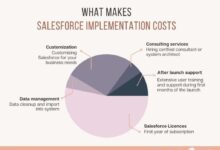
Salesforce, on the other hand, is significantly more expensive. Its entry-level Sales Cloud plan starts at $25 per user per month for the Essentials plan, but the real cost often comes from add-ons, implementation, and customization.
- Essentials ($25): Basic sales automation, mobile access, 24/7 support.
- Professional ($75): Workflow automation, email integration, AppExchange access.
- Enterprise ($150): Advanced customization, role-based access, API access.
- Unlimited ($300): Premium support, sandbox environments, advanced analytics.
These prices don’t include implementation fees, training, or third-party apps—costs that can easily double or triple the total investment. For example, a mid-sized company might spend $50,000+ annually on Salesforce when factoring in add-ons and consultants.
“Salesforce is like buying a luxury car—you pay for the brand, the features, and the ecosystem.” — Forbes
Zoho CRM vs Salesforce: User Interface and Ease of Use
Even the most powerful CRM is useless if your team can’t—or won’t—use it. That’s why usability is a critical factor in the Zoho CRM vs Salesforce comparison.
Zoho CRM’s User Experience
Zoho CRM boasts a clean, intuitive interface that new users can navigate within minutes. The dashboard is customizable, with drag-and-drop widgets, and the mobile app mirrors the desktop experience almost perfectly.
- Minimal learning curve for sales reps and managers.
- Contextual guidance via Zia, the AI assistant.
- Onboarding tutorials and in-app tips reduce training time.
The platform uses a modular design, allowing users to hide advanced features until they’re ready. This makes Zoho ideal for teams without dedicated IT support.
zoho crm vs salesforce – Zoho crm vs salesforce menjadi aspek penting yang dibahas di sini.
Salesforce’s User Experience
Salesforce, while powerful, has a steeper learning curve. The interface is dense, with multiple tabs, menus, and customization layers. New users often feel overwhelmed by the sheer number of options.
- Requires formal training or certification for optimal use.
- Highly customizable, but customization demands technical expertise.
- Lightning Experience has improved usability, but legacy users still face challenges.
Many companies hire Salesforce administrators or consultants just to manage the platform. While this flexibility is great for large enterprises, it can be overkill for smaller teams.
“Salesforce is like flying a jet—powerful, but you need a pilot.” — CIO Magazine
Zoho CRM vs Salesforce: Features and Functionality
When evaluating Zoho CRM vs Salesforce, feature depth and breadth are critical. Both platforms offer robust tools, but they cater to different needs.
Sales and Automation Tools
Zoho CRM provides strong automation capabilities through its Blueprint and Workflow modules. Users can create multi-step approval processes, auto-assign leads, and trigger actions based on behavior—all without coding.
- AI-powered lead scoring with Zia.
- Automated follow-ups and task reminders.
- Visual workflow builder for non-technical users.
Salesforce offers equally powerful automation via Process Builder and Flow, but these tools require more technical know-how. However, Salesforce’s automation is more scalable for complex business logic.
Marketing and Customer Engagement
Zoho CRM integrates seamlessly with Zoho MarketingHub, offering email campaigns, landing pages, and social media management. It’s a cost-effective all-in-one solution for SMBs.
- Behavior-based segmentation.
- A/B testing for emails.
- Lead nurturing workflows.
Salesforce integrates with Marketing Cloud, a premium tool used by large enterprises for omnichannel campaigns. While more powerful, Marketing Cloud starts at $1,250/month—making it inaccessible for most small businesses.
zoho crm vs salesforce – Zoho crm vs salesforce menjadi aspek penting yang dibahas di sini.
AI and Predictive Analytics
Both platforms leverage AI, but with different approaches. Zoho’s Zia offers conversational AI, voice commands, and predictive lead scoring. It’s designed to be accessible and user-friendly.
- Zia suggests next-best actions.
- Identifies deal risks automatically.
- Supports natural language queries (e.g., “Show me high-value leads in California”).
Salesforce Einstein provides advanced AI capabilities, including predictive analytics, sentiment analysis, and automated data entry. It’s more sophisticated but requires data cleanliness and configuration.
“Einstein doesn’t just predict—it prescribes.” — Salesforce
Zoho CRM vs Salesforce: Integration and Ecosystem
No CRM operates in isolation. The ability to connect with other tools—email, accounting, marketing, support—is vital for efficiency.
Zoho CRM Integration Capabilities
Zoho CRM excels in native integrations, especially within the Zoho ecosystem, which includes over 50 apps like Zoho Books, Zoho Desk, and Zoho Projects. This makes it ideal for businesses already using Zoho tools.
- Pre-built connectors for Gmail, Outlook, Slack, Shopify.
- Zoho Flow enables automation across third-party apps.
- API access available in higher plans.
While Zoho has fewer third-party integrations than Salesforce, its focus on seamless internal connectivity reduces complexity.
Salesforce Integration Capabilities
Salesforce leads the market in integrations via the AppExchange, which hosts over 5,000 apps. From Mailchimp to DocuSign to SAP, Salesforce connects with almost every major business tool.
- AppExchange allows one-click installations.
- Robust API and middleware support (MuleSoft).
- Custom integrations via Apex and Heroku.
However, managing so many integrations can become complex and costly. Each app may require separate licensing, support, and maintenance.
zoho crm vs salesforce – Zoho crm vs salesforce menjadi aspek penting yang dibahas di sini.
“Salesforce’s AppExchange is the App Store of enterprise software.” — Business Insider
Zoho CRM vs Salesforce: Customization and Scalability
As your business grows, your CRM must grow with it. Customization and scalability determine how well a platform adapts to changing needs.
Customization in Zoho CRM
Zoho CRM offers solid customization options for SMBs. Users can modify fields, layouts, modules, and workflows without coding. Advanced users can leverage Deluge scripting for complex logic.
- Custom modules and relationships.
- Role-based profiles and access control.
- Page rules and dynamic forms.
While not as deep as Salesforce, Zoho’s customization is sufficient for most growing businesses. The platform strikes a balance between flexibility and simplicity.
Customization in Salesforce
Salesforce is the gold standard for customization. With tools like Lightning App Builder, Process Builder, and Apex (a proprietary programming language), businesses can tailor every aspect of the CRM.
- Create custom objects, fields, and relationships.
- Build custom apps with Lightning Web Components.
- Deploy complex automation with Flow and Apex triggers.
This level of control is ideal for enterprises with unique processes, but it often requires hiring developers or administrators. For small teams, it’s over-engineering.
Scalability Comparison
Zoho CRM scales well for small to mid-sized businesses. It supports thousands of users and large datasets, but its architecture is optimized for efficiency, not enterprise complexity.
Salesforce is built for scalability from the ground up. It handles massive data volumes, global teams, and multi-divisional structures with ease. Companies like Amazon, Toyota, and Unilever rely on Salesforce for mission-critical operations.
zoho crm vs salesforce – Zoho crm vs salesforce menjadi aspek penting yang dibahas di sini.
“If your business plans to go global, Salesforce is built for that journey.” — Gartner
Zoho CRM vs Salesforce: Customer Support and Training
Even the best CRM needs support when things go wrong. The quality of customer service and training resources can make or break user adoption.
Zoho CRM Support Options
Zoho CRM offers 24/5 email and phone support across all paid plans. The free plan includes community and email support only. Response times are typically under 24 hours.
- Comprehensive knowledge base and video tutorials.
- Zoho Learn for structured training.
- Active community forums with expert participation.
While Zoho doesn’t offer 24/7 live support, its self-service resources are excellent and often resolve issues before a ticket is needed.
Salesforce Support Options
Salesforce provides tiered support based on subscription level. Essentials users get basic email support, while Enterprise and Unlimited plans include 24/7 phone support and access to technical account managers.
- Trailhead, Salesforce’s free learning platform, offers gamified courses.
- Certification programs for admins, developers, and consultants.
- Dedicated customer success managers for top-tier clients.
Trailhead is one of the most comprehensive training ecosystems in tech, with over 20 million learners worldwide.
“Trailhead turned Salesforce users into a global community of certified experts.” — Harvard Business Review
Zoho CRM vs Salesforce: Security and Compliance
In an era of data breaches and strict regulations, CRM security is non-negotiable. Both platforms take security seriously, but their approaches differ.
Data Security in Zoho CRM
Zoho CRM complies with GDPR, HIPAA, SOC 2, and ISO 27001 standards. It uses AES-256 encryption for data at rest and TLS 1.2+ for data in transit.
zoho crm vs salesforce – Zoho crm vs salesforce menjadi aspek penting yang dibahas di sini.
- Two-factor authentication (2FA) available for all users.
- IP restrictions and session timeouts.
- Audit logs and data access controls.
Zoho also allows data residency options, letting businesses store data in specific regions (e.g., EU, India) to meet local compliance requirements.
Data Security in Salesforce
Salesforce is a leader in cloud security, with certifications including GDPR, HIPAA, SOC 1/2/3, and FedRAMP. It invests heavily in security R&D and offers advanced features like Shield Platform Encryption and Event Monitoring.
- Customizable permission sets and sharing rules.
- Field-level security and role hierarchies.
- Security Center for real-time threat detection.
Salesforce’s Trust site (trust.salesforce.com) provides real-time status updates and transparency on outages and security events.
“Salesforce’s security model is so robust, it’s used as a benchmark in the industry.” — CSO Online
Zoho CRM vs Salesforce: Real-World Use Cases
Theoretical comparisons are useful, but real-world applications reveal which CRM truly fits specific business models.
Zoho CRM for Small Businesses and Startups
A digital marketing agency with 10 employees uses Zoho CRM to manage client leads, track campaign performance, and automate follow-ups. By integrating Zoho CRM with Zoho Mail and Zoho Projects, they’ve eliminated the need for multiple subscriptions.
- Reduced operational costs by 40%.
- Improved lead conversion rate by 25%.
- Onboarded new team members in under a week.
For small teams, Zoho CRM’s affordability and ease of use make it a no-brainer.
Salesforce for Enterprises and Large Organizations
A multinational pharmaceutical company with 5,000+ employees uses Salesforce to manage global sales teams, track compliance, and analyze market trends. With custom objects for clinical trials and regulatory approvals, Salesforce supports complex workflows.
zoho crm vs salesforce – Zoho crm vs salesforce menjadi aspek penting yang dibahas di sini.
- Centralized customer data across 30+ countries.
- Integrated with ERP and supply chain systems.
- Leveraged Einstein Analytics for forecasting.
While the implementation took six months and cost $2 million, the ROI justified the investment through improved compliance and sales efficiency.
Zoho CRM vs Salesforce: Implementation and Onboarding
How quickly can you go live? Implementation time and onboarding complexity are crucial for minimizing downtime and maximizing ROI.
Implementation Time for Zoho CRM
Zoho CRM can be up and running in as little as 48 hours for small teams. The setup wizard guides users through importing contacts, configuring pipelines, and connecting email.
- Pre-built templates for industries like real estate, education, and retail.
- Self-service migration tools for data import.
- Optional professional services for complex migrations.
Most SMBs complete onboarding in 1–2 weeks with minimal external help.
Implementation Time for Salesforce
Salesforce implementations typically take 3–6 months for mid to large enterprises. The process involves data migration, customization, integration, testing, and training.
- Requires project managers, admins, and often third-party consultants.
- Change management is critical due to user resistance.
- Phased rollouts are common to ensure smooth adoption.
While Salesforce offers Quick Start packages for faster deployment, they still require significant planning and resources.
“Implementing Salesforce isn’t a project—it’s a transformation.” — McKinsey & Company
Zoho CRM vs Salesforce: Mobile Experience
In today’s mobile-first world, a CRM must work seamlessly on smartphones and tablets.
zoho crm vs salesforce – Zoho crm vs salesforce menjadi aspek penting yang dibahas di sini.
Zoho CRM Mobile App Features
The Zoho CRM mobile app (iOS and Android) offers nearly all desktop features, including offline access, voice commands via Zia, and real-time notifications.
- Scan business cards to create contacts.
- Log calls and meetings directly from the phone.
- Approve workflows on the go.
The interface is clean and optimized for touch, making it ideal for field sales teams.
Salesforce Mobile App Features
Salesforce Mobile App, powered by Lightning, provides robust functionality with AI-driven insights via Einstein. Users can view dashboards, update records, and run reports from their phones.
- Customizable mobile navigation.
- Offline data access and sync.
- Integration with Salesforce Communities.
While powerful, the app can feel cluttered on smaller screens, and some advanced features require desktop access.
Which CRM is better for mobile use?
Zoho CRM wins for simplicity and speed, while Salesforce offers deeper functionality for power users.
Zoho CRM vs Salesforce: Final Verdict and Recommendations
After a deep dive into features, pricing, usability, and scalability, the Zoho CRM vs Salesforce decision ultimately comes down to your business size, budget, and long-term goals.
zoho crm vs salesforce – Zoho crm vs salesforce menjadi aspek penting yang dibahas di sini.
Choose Zoho CRM If…
- You’re a small to mid-sized business.
- You need an affordable, easy-to-use CRM.
- You value quick implementation and low maintenance.
- You already use other Zoho apps.
- You want AI and automation without complexity.
Choose Salesforce If…
- You’re a large enterprise or fast-growing company.
- You need maximum customization and scalability.
- You have the budget for licensing and consulting.
- You require deep integrations and industry-specific solutions.
- You want the most powerful AI and analytics in CRM.
“There’s no ‘best’ CRM—only the best CRM for your business.” — HubSpot
Is Zoho CRM better than Salesforce?
Not universally. Zoho is better for cost-conscious, agile teams. Salesforce is better for large, complex organizations that need enterprise-grade power.
Can Zoho CRM replace Salesforce?
For most SMBs, yes. But for enterprises with intricate workflows, Salesforce remains unmatched.
Frequently Asked Questions (FAQ)
Is Zoho CRM cheaper than Salesforce?
Yes, Zoho CRM is significantly cheaper. It offers a free plan and starts at $14/user/month, while Salesforce starts at $25/user/month and can exceed $150/user/month for advanced plans. Implementation and add-on costs make Salesforce much more expensive overall.
Which CRM is easier to use: Zoho or Salesforce?
zoho crm vs salesforce – Zoho crm vs salesforce menjadi aspek penting yang dibahas di sini.
Zoho CRM is easier to use. It has a simpler interface, shorter learning curve, and requires less training. Salesforce is more powerful but complex, often requiring dedicated administrators and formal training.
Can Zoho CRM handle large enterprises?
Zoho CRM can support mid-sized businesses and some larger organizations, but it lacks the deep customization, scalability, and support infrastructure of Salesforce for complex enterprise needs.
Does Salesforce offer a free CRM?
No, Salesforce does not offer a free CRM plan. However, it provides a free trial and the Trailhead learning platform for users to explore its features.
Which CRM has better AI: Zoho or Salesforce?
Salesforce Einstein offers more advanced AI capabilities, including predictive analytics and automated insights. Zoho Zia is more user-friendly and accessible for everyday tasks but less sophisticated in complex data modeling.
zoho crm vs salesforce – Zoho crm vs salesforce menjadi aspek penting yang dibahas di sini.
In conclusion, the Zoho CRM vs Salesforce battle isn’t about which is objectively better—it’s about which aligns with your business reality. Zoho wins on affordability, simplicity, and speed. Salesforce dominates in power, scalability, and enterprise features. Evaluate your team size, budget, technical resources, and growth plans carefully. The right CRM isn’t the most popular one—it’s the one that fits your unique needs.
Further Reading: